Recent wet weather across South East Queensland is creating ideal conditions for increased fire ant activity and raising the risk of fire ants spreading to new locations.
For nursery and greenlife businesses, this serves as an important reminder to remain vigilant when inspecting sites, handling materials, and moving equipment.
Why rainfall increases the risk
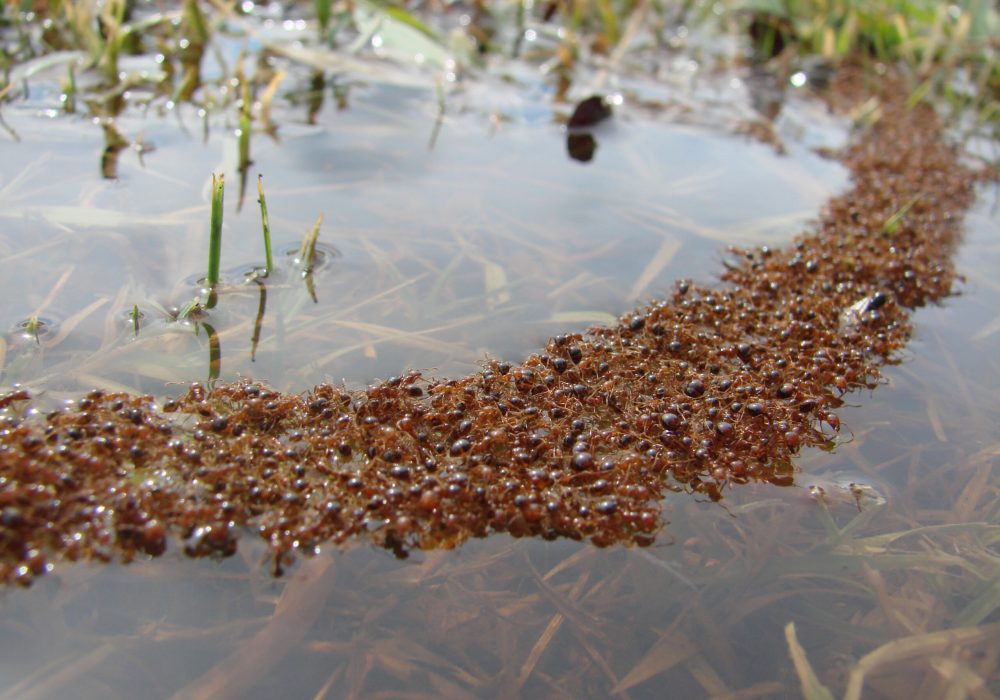
Heavy rainfall and flooding can trigger rafting behaviour, where fire ants link together to form floating colonies that can survive floodwaters and establish in new areas.
Following rain, fire ants often build their nests higher above the ground surface, making them easier to spot. This provides a valuable opportunity to identify infestations and take action before they spread further.
Warm, humid conditions also increase fire ant activity. Within 24 hours of rainfall, winged reproductive ants (known as alates) may emerge in large numbers to mate and establish new colonies. While most new nests are founded within 500 metres of the parent colony, some queens can travel up to 5 kilometres.
Increased risk for nursery businesses
The risk of human-assisted spread rises significantly after wet weather events. Fire ants can easily be transported in:
- Soil and growing media
- Stockpiles and disturbed ground
- Pots, trays and other production materials
- Machinery and equipment
- Vehicles operating on affected sites
As businesses involved in the movement of plants, soil and other high-risk materials, it is critical to maintain strong biosecurity practices and remain alert for signs of fire ant activity.
What you should do after rain
After heavy rainfall or storms, businesses should:
- Inspect properties, production areas, stockpiles and disturbed soil for signs of fire ants.
- Exercise caution around suspected nests and avoid contact with rafting fire ants.
- Check machinery, equipment, vehicles and materials for attached soil before moving them off-site.
- Be aware that fire ants can spread through materials stored directly on the ground.
- If located within a suppression treatment area, continue treating fire ant nests when weather conditions allow and in accordance with treatment requirements.
- Report suspected fire ants, nests or rafting colonies within 24 hours by calling 132 ANT (13 22 68) or reporting online.
Early detection is critical
Fire ants remain one of the world’s most invasive pests. Increased rainfall creates ideal conditions for colonies to survive, spread and establish new infestations.
By remaining vigilant and following fire ant-safe practices, nursery businesses can play an important role in protecting their operations, the wider greenlife industry and local communities from the impacts of fire ants.








 Greenlife Industry Qld